
In the world of raising fighting cocks, taking care of the health of fighting cocks is extremely important. One of the most important factors to help fighting cocks achieve the best performance is using the right medicine for fighting cocks. This article https://jun88.net.in/ will explore in depth the types of medicine, care methods and secrets to help fighting cocks stay healthy so they can fight effectively.
Understanding medicine for fighting cocks
To understand more aboutmedicine for fighting cocks, we need to learn about how medications work and why they are important in the feeding process.
Why do fighting cocks need medicine?
The use of medicine for fighting cocks is not only about treating diseases but also includes disease prevention measures. Fighting cocks, especially those participating in competitions, need to be in optimal health and agility in every battle.
In addition, it should be noted that fighting cocks often face many diseases due to their living environment, improper diet or pressure from matches. Therefore, using appropriate medicine will help protect the health of the cocks, improve their fighting ability and prolong their life.
Common medicines for fighting cocks
There are many types of drugs for fighting cocks on the market today, each with a different function. Below are some common drugs that fighting cock breeders often use:

Antibiotics
Antibiotics are used primarily to treat bacterial infections in gamefowl. This includes conditions such as pneumonia, enteritis, or other bacterial infections.
The use of antibiotics must comply with the correct dosage and duration, otherwise it will lead to drug resistance and reduce treatment effectiveness.
Vitamins and minerals
Vitamins and minerals play an important role in improving the resistance of chickens. They help the chicken’s body develop comprehensively, reducing the risk of disease.
Vitamin and mineral supplementation must be appropriate for each stage of development of fighting cocks. Breeders should consult a veterinarian for the best advice.
Antiparasitic drugs
Parasites are one of the leading causes of weakness in fighting cocks. Regular parasite testing and treatment is important to ensure the health of your flock.
There are many types of antiparasitic drugs on the market today, from tablets to oral solutions. Farmers need to choose the right drug for their chickens’ condition.
How to use medicine for fighting cocks effectively
Using medicine for fighting cocks does not stop at buying medicine but also includes the process of using and monitoring after using the medicine.
Read the instructions carefully
Before using any medication, farmers should carefully read the instructions, including dosage and directions for use. This helps ensure that the medication is used correctly and effectively.
Farmers also need to pay attention to the time to stop using the drug before the chicken competes to avoid affecting the chicken’s health.
Monitor the health of chickens
After using the medication, the farmer needs to closely monitor the health of the chicken. This may include checking the chicken’s eating status, activity and other manifestations.
If the chicken shows any unusual signs after taking the medicine, contact your veterinarian immediately for advice and timely treatment.
Do not change the dosage on your own.
Changing the dosage of medication on your own can have serious consequences for your chickens’ health. Always follow the instructions of your veterinarian or the manufacturer to ensure the safety of your chickens.
Diet combined with medicine
A proper diet will help increase the effectiveness of medicine for fighting cocks. Nutrition not only affects health but also contributes to strength in matches.
Nutritional principles for fighting cocks
Nutrition for fighting cocks must ensure adequate nutrition and balance between food groups. Using foods rich in protein and vitamins will help fighting cocks develop well and increase resistance.
Protein rich foods
Protein is an essential component of the diet of fighting cocks. Food sources rich in protein include soybeans, rice bran, fresh fish, and egg yolks. These foods not only provide energy but also help the cock maintain its strength during training and competition.
In addition, protein is also responsible for building and repairing muscles, which is extremely important for fighting cocks, because they need strength to fight.
Vitamins and minerals
Vitamins A, D, E and minerals such as calcium, phosphorus, and iron are essential for the growth and health of fighting cocks. Vitamins help improve the immune system, helping chickens avoid many diseases.
Breeders should supplement vitamins and minerals through food or through supplements. This helps ensure that fighting cocks have the best resistance.
Combining medicine and nutrition
When using medicine for fighting cocks, combining it with a proper diet will help improve treatment effectiveness.
Time of use of medicine
The medicine should be used when the chicken is in the best health, that is, after it has had a full meal. This helps the medicine to be absorbed better and have maximum effect.
Nutrition planning
Breeders need to have a specific nutritional plan for fighting cocks, including main and side meals. At the same time, it is necessary to pay attention to the time of using the medicine so as not to affect the chicken’s meals.
Monitor and adjust
Regularly monitor the health of your fighting cock to adjust its diet and medication accordingly. If you see signs of an allergy or your cock not responding well to any medication, contact your veterinarian immediately.
Disease prevention for fighting cocks
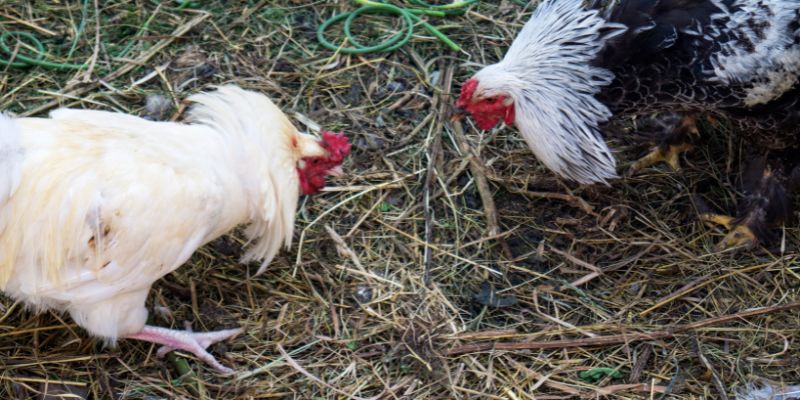
Investing in prevention is always the key to protecting the health of fighting cocks. This not only saves on medical costs but also helps the cocks maintain good health and increase their fighting ability.
Keep the barn clean
The living environment has a great influence on the health of fighting cocks. A clean and airy coop will help prevent the growth of disease-causing bacteria.
Clean regularly
Farmers need to regularly clean up feces and waste in the chicken coop and change drinking water daily. This helps reduce the risk of disease transmission and creates the best living environment for chickens.
Humidity control
Humidity in the barn is also an important factor. Keep the barn well-ventilated and free of moisture to avoid the growth of mold and bacteria.
Vaccination
Vaccination for fighting cocks is one of the effective disease prevention measures. Vaccines help chickens increase their resistance and prevent many dangerous infectious diseases.
Vaccination schedule
Breeders need to establish a specific vaccination schedule for fighting cocks. Depending on the age and health status of the cock, the vaccination schedule can be adjusted accordingly.
Monitoring post-injection reactions
After vaccination, farmers need to monitor the chickens’ reactions. If there are any unusual signs, they need to contact a veterinarian immediately for timely treatment.
Proper nutrition
A proper diet not only helps fighting cocks grow but also increases resistance, helping chickens fight diseases.
Supplemental Dietary Supplements
In addition to regular foods, breeders can add functional foods to help improve the health of fighting cocks.
Vitamin and mineral supplements will help chickens have better resistance, helping them fight many diseases.
Conclude
The article has given you an overview of the use ofmedicine for fighting cock sas well as other care measures to improve the health of fighting cocks. Health care for fighting cocks does not only depend on medicine but also involves nutrition, hygiene and many other factors. Hopefully the information in this article will help you in the process of raising and caring for your fighting cocks.